Home Hosting Miners Pricing Infrastructure FAQ Guides Contact
Our infrastructure

Several sites, one
industrial standard

B Host Energy designs and operates energy infrastructure dedicated to professional crypto hosting. We deploy our sites where energy is stable and among the cheapest — a model we can replicate across several countries.

Our sites in operation

Real sites, not promises

Our facilities in pictures — and what each element does. Cliquez pour organiser une visite.
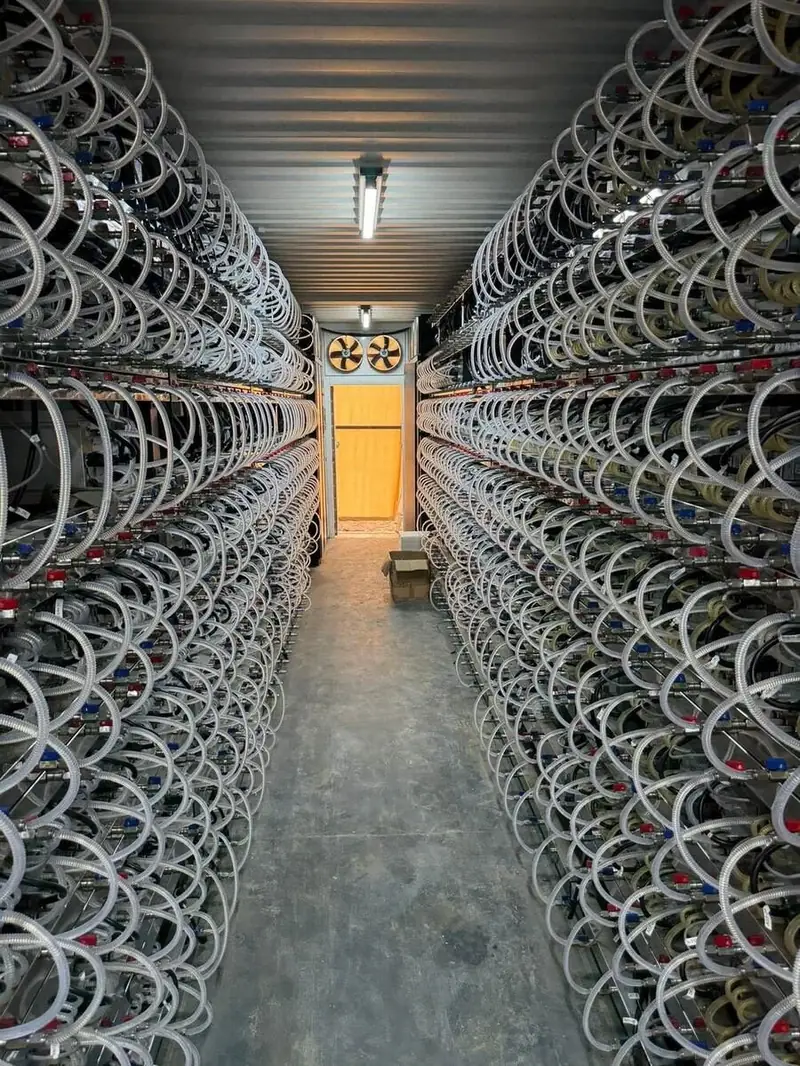
Hydro-cooling hall
Hydro-cooling

Hosting hall

Aisle of miners cooled by a closed water loop
Visit →
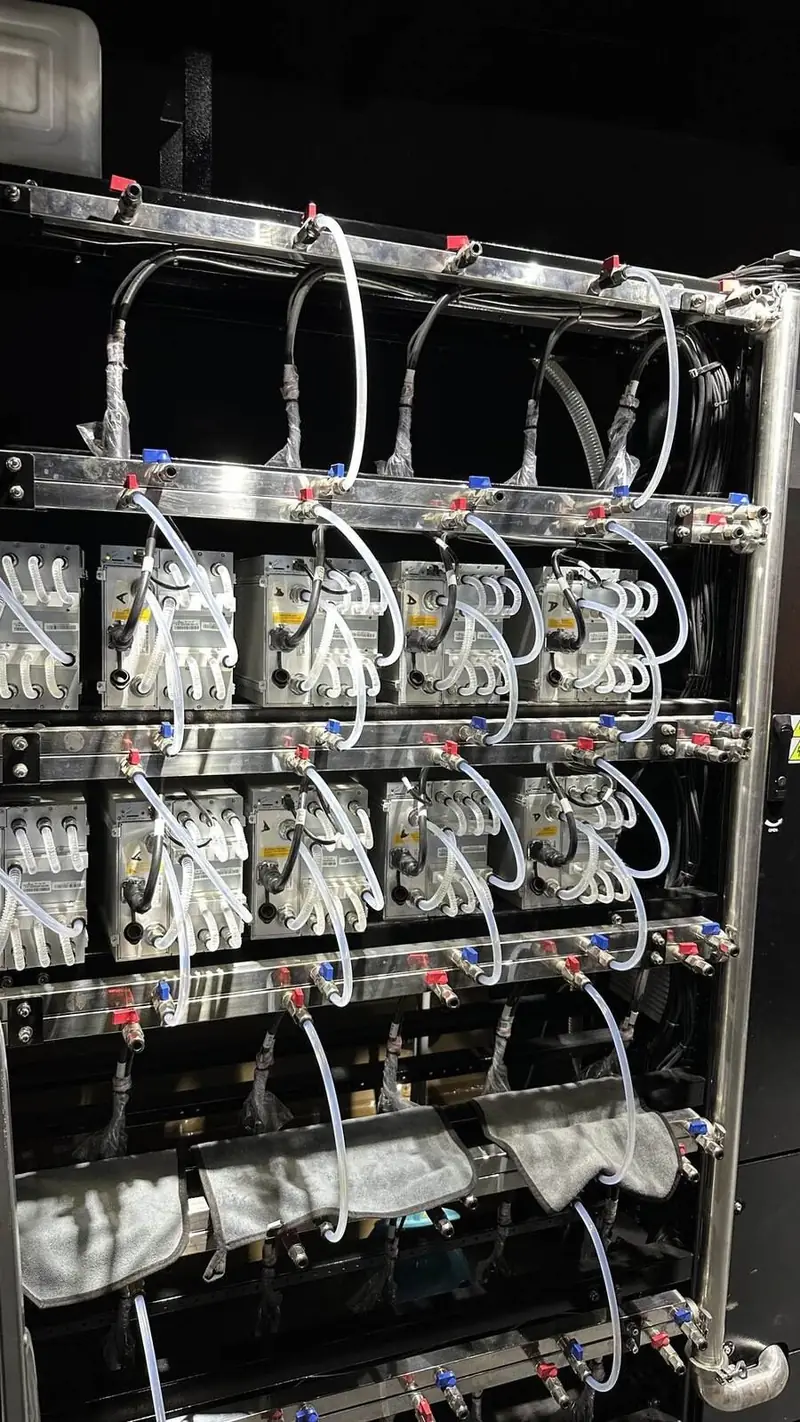
Hydro hash boards
Direct cooling

Immersed hash boards

Water flows in direct contact with the hash boards
Visit →
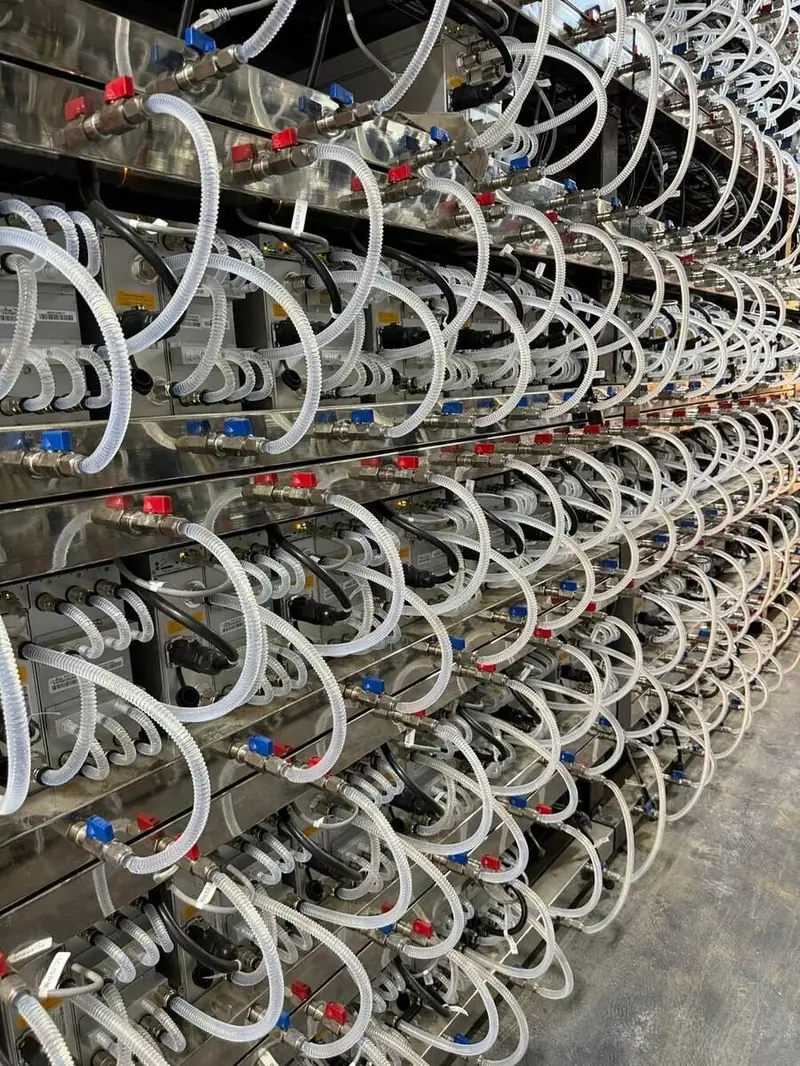
Hydraulic manifolds
Distribution

Hydraulic manifolds

Valves and fittings feeding each miner
Visit →
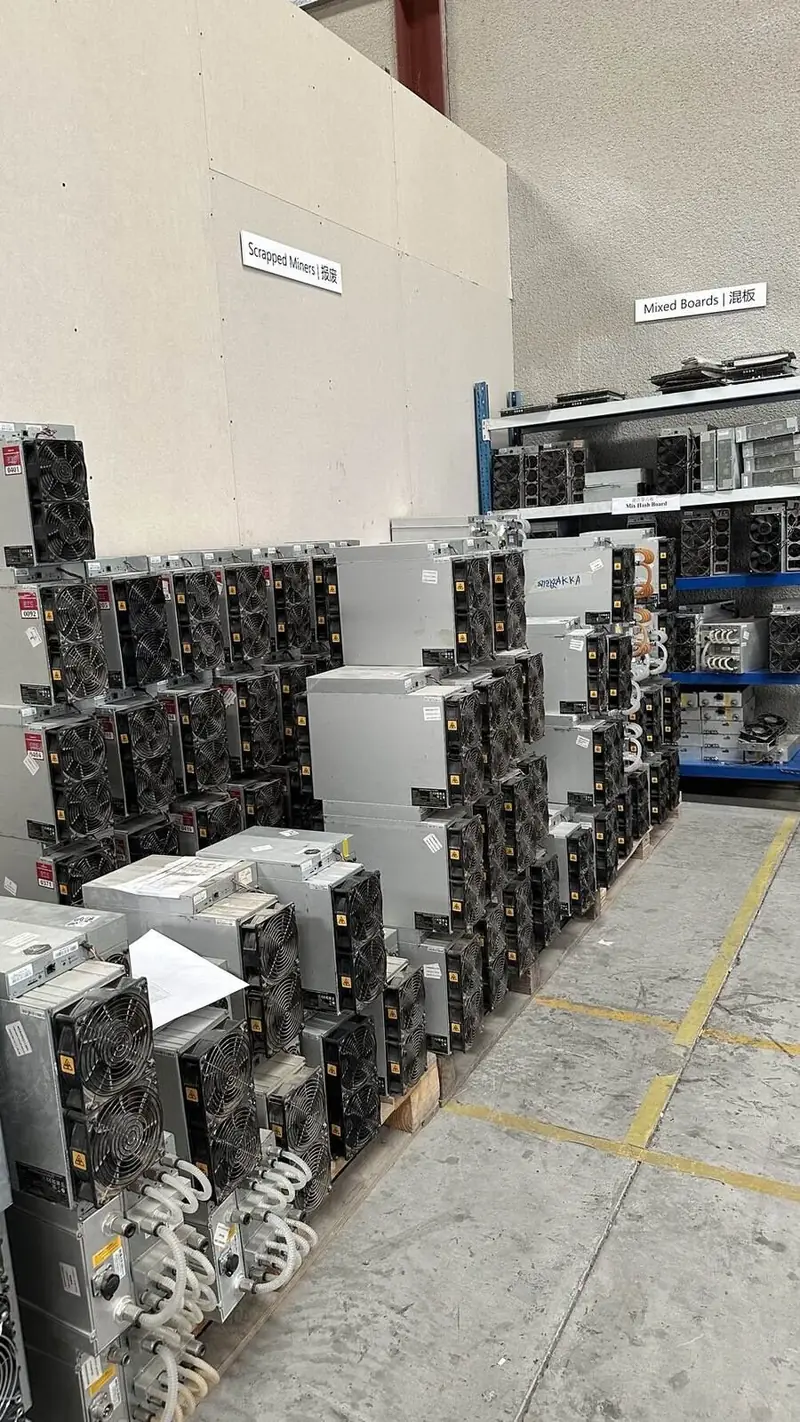
Maintenance workshop
Maintenance

Workshop & fleet management

Diagnostics, repairs and spare parts
Visit →
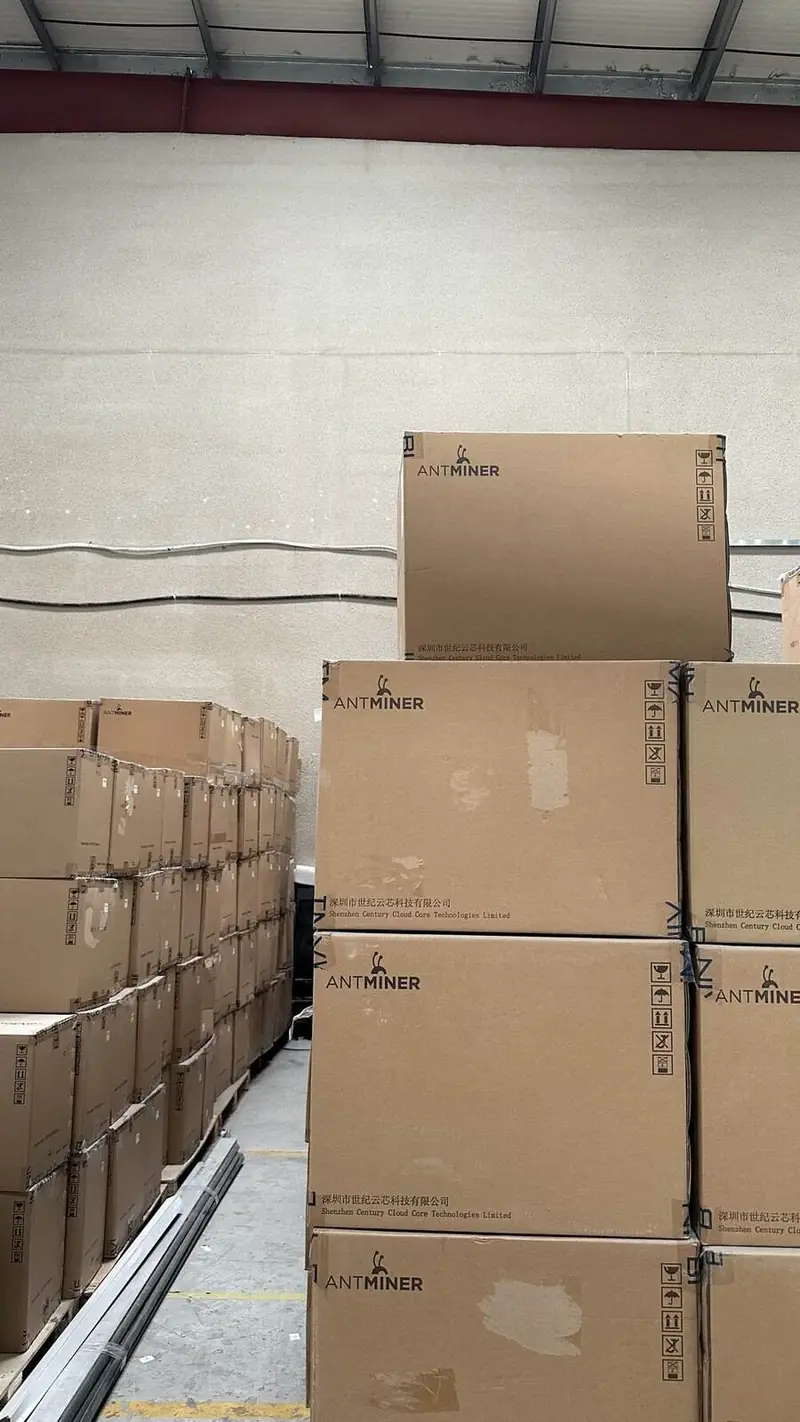
Antminer intake
Logistics

Miner intake

Sealed new Antminers before deployment

Visit →
Hydro-cooling hall
Hydro-cooling

Hosting hall

Aisle of miners cooled by a closed water loop

Visit →
Hydro hash boards
Direct cooling

Immersed hash boards

Water flows in direct contact with the hash boards

Visit →
Hydraulic manifolds
Distribution

Hydraulic manifolds

Valves and fittings feeding each miner

Visit →
Maintenance workshop
Maintenance

Workshop & fleet management

Diagnostics, repairs and spare parts

Visit →
Antminer intake
Logistics

Miner intake

Sealed new Antminers before deployment

Visit →
Arrange a site visit →
The technology

How hydro-cooling works

Unlike air cooling (fans), hydro-cooling circulates a liquid in direct contact with the computing components. Heat is removed far more efficiently: cold water (≈25–35°C) enters in direct contact with the hash boards and exits at 45–60°C toward the cooling kit — a closed loop that keeps components at a low, stable temperature, with no throttling and no dust. Concrete result: failure rates down to 2–3% (versus 15–20% with air cooling), a constant hashrate 24/7 and a lifespan extended up to 7 years. This is the standard for serious industrial mining operations.

Our approach

Three pillars, one standard

Energy stability

Stable supply and electrical architecture designed to maximise operational continuity. Energy is the core of the asset.

Thermal control

Closed-loop hydro-cooling: stable temperatures, no throttling, extended lifespan.

Operational discipline

Restricted access, 24/7 supervision and strict industrial management protocols.

Country security

Countries with rare legal and geopolitical stability, among the most predictable frameworks in the world.

Why so few operators get in

The real global mining comparison

Price per kWh means nothing until you look at the two other variables: actual uptime and the security of your asset.

RegionPower priceObserved uptimeSecurity / stability
AfricaVery low~80% — frequent outagesComplicated geopolitics & legal
Central AsiaLowDecentAbrupt law changes
South AmericaLowVariablePolitical instability
Nordic countriesLow (industrial)~99%Among the best in the world

Do the math: 80% uptime means roughly one week per month where your machines don't mine — that lost 20% of production is often your entire margin. A "cheap" kWh with outages costs more than a Nordic kWh running 99% of the time.

And that's why Nordic capacity is a rare asset: grid operators strictly limit new high-power connections, connected industrial land is extremely scarce, and incumbents lock in their positions. Most mining companies never manage to secure a site there. Our hosted clients benefit from it directly.

Get your personalised proposal

Get my proposal →
Chatbot
WhatsApp